Featured
Table of Contents

One of the things the team participants discovered useful, she recalls, was developing communication and boundary-setting skills that they can utilize with their relative. The group yapped regarding just how to stay tranquil, handle their body language and keep a problem-solving (instead of blaming) focus when having "take on discussions" with family members regarding behaviors and patterns that had been taken on due to the fact that of generational injury, she states.
This client's need not to pass on her trauma responses to her kids, along with her stress and anxiety concerning being poor and abusive, is what led her to seek therapy, Guyton adds. When the client started to explore her household history, including the pressures her grandmother encountered as she emigrated from her Caribbean homeland to the United States, she recognized "I need to speak to her," Guyton remembers.
Generational Expectations vs Personal Values
Guyton after that triggered the customer to chat to her grandmother and share exactly how she was really feeling. The client responded by stating, "I see you, Grandma.
Since we have some differences in our identifications, what challenges might we have in collaborating?" Goodman advises therapists to broach this subject not only at the beginning of counseling deal with a client however also with regular check-ins throughout the connection. "We [counselors] each need to determine for ourselves language that is genuine for us" to cultivate these discussions, she says.
"Privileged teams can still have generational trauma, even though it's not chatted about as much," she states. "Any individual that has actually experienced injury can pass it down.
How Psychological Challenges Appear Differently Across Cultures
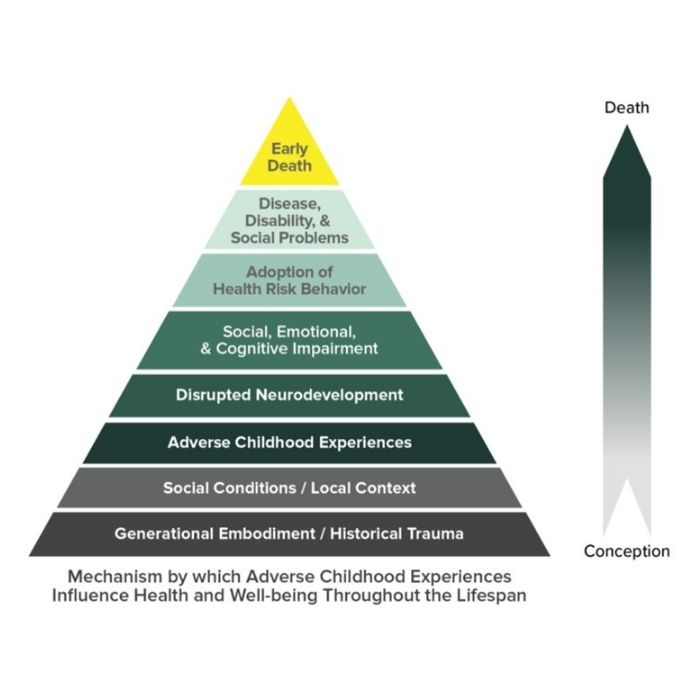
The fact is that clients do not stay in a vacuum; they can pursue recovery separately in therapy but will ultimately go back to live within their society and household system, she keeps in mind."Generational injury is just that a private whose trauma is bolstered within household and culture," Petion includes. So, with this customer population, specialists should "assume beyond the specific being in front of us" in counseling, she stresses, and concentrate on exactly how they are recovery in link to their family and community.
At the exact same time, therapists must keep in mind that it may not be the customer's role to "repair" or heal their household or community, Mike cautions. "They may need to make peace with recovery themselves without handling whole systems," he states. Generational injury "can be an organic thing, a psychological point, a social point.
Viewpoints shared and statements made in write-ups showing up in Therapy Today do not always represent the point of views of the editors or policies of the American Counseling Organization.
It can feel both beating and confirming to uncover that the principle of generational trauma reverberates with you. On one hand, it can be reassuring to understand that you're not "insane" or alone in this experience. On the various other hand, you might not understand how to move ahead with this information.
Living Between Multiple Worlds
There are lots of wonderful sources out there, including video clips, social media articles, and podcasts. Past online web content, I additionally urge you to explore some generational injury books. It can be extremely verifying to speak with people with similar experiences, including scientists with a deep understanding of these characteristics.
AEDP is provided to grownups in specific or couples treatment. Session size is figured out on the private client demands. AEDP is normally offered in outpatient therapy centers or exclusive technique settings. Considered a quick kind of psychodynamic psychotherapy, treatment length is longer than that of most manualized trauma-focused treatment models, and commonly ranges from six to eighteen months.
Particular or routine couples treatment sessions can be incorporated as needed to sustain the key client. Therapy tends to be lasting, with therapy duration commonly surpassing one year. IFS is a healing strategy which checks out the inner system as having subparts or subpersonalities, each with distinct systems of being internally organized to best serve the environment an individual remains in.
Advantages of Remote EMDR Therapy Therapy
This self consists of a person's toughness and abilities which normally overviews a person to a healthy and balanced life or healing. IFS' objective is to attain balance within the interior system by: differentiating the self from other subparts, permitting the self to lead with subparts sustain, andallowing all subparts to exist with participating, non-extreme intention.
As a result of its personalized nature, length of treatment depends on the requirements of the customer(s). IFS is usually helped with in an outpatient setup. Acknowledging the specific difficulties experienced by adult survivors of complex trauma, STAIR/MPE is a two-phase healing intervention focused on ability building and exposure-based treatment in the context of an empathetic and trustworthy connection.
Clients are provided with ability training to: improve regulation abilities, improve distress resistance, andexplore brand-new techniques of involving with and associating with others, setting the foundation for the 2nd stage of treatment. Stage 2 sustains customers in additional processing through difficult situations using a modified version of prolonged exposure. With, customers are subjected to trauma-related memories to: boost awareness of the client's affective and psychological experience, technique regulation skills, andprocess with tough styles such as rejection, embarassment, loss, and dishonesty.
Cultural Experience Across Languages
These experiences can leave durable signs and symptoms well after the event mores than. When it comes to developing trauma, trauma which is generally relational and repeated overtime, an individual may not recognize how their past experiences can be connected to a variety of signs. Troubles with link to others, an overall sense of stress and anxiety or fear, an overall tingling or feeling of not being totally alive are several of the factors to explore trauma treatment.

Latest Posts
What You Actually Need for Portable Practice
Overcoming Doubt About Treatment
Learning Body-Based Self-Regulation